










FIPS 201-3 Compliance Changes and Their Impact on Badge Holders, Sleeves, and Accessories
Share
The National Institute of Standards and Technology (NIST) released FIPS 201-3 in 2022, the updated Federal Information Processing Standard for Personal Identity Verification (PIV) cards. Initially available in accordance with Homeland Security Presidential Directive 12 (HSPD-12), the standard delivers secure and reliable identification for federal employees and contractors. The most current version refines authentication, raises digital security, and specifies what products are subject to federal compliance.
Context: Previous Versions
The history of FIPS standards shows how identity needs have evolved:
-
HSPD-12 (2004): Mandated a single, government-wide ID system.
-
FIPS 201 (2005): Established the PIV card as the official secure credential.
-
FIPS 201-1 and FIPS 201-2:
-
Enhanced authentication requirements
-
Included support for mobile and derived credentials
-
Expanded testing to include accessories like RFID sleeves and badge holders
These initial revisions set the stage for widespread implementation of secure identification by the federal government.
Significant FIPS 201-3 Changes
The January 2022 release of FIPS 201-3 brought some key changes:
-
Greater focus on mobile and digital credentials, extending security beyond physical cards.
-
Enhanced definitions for biometric and cryptographic standards to improve authentication.
-
Limiting compliance to the PIV card, readers, and authentication systems.
-
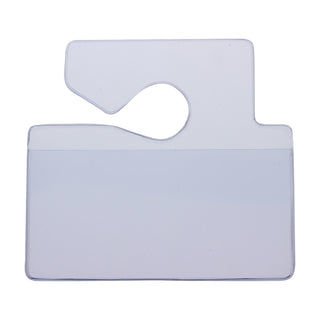
Removal of badge holders, RFID sleeves, and other accessories from official testing for compliance.
This modification was a responsibility shift: whereas cards and systems must meet strict federal requirements, accessories no longer receive testing or placement on the GSA Approved Products List (APL).
What This Means for You
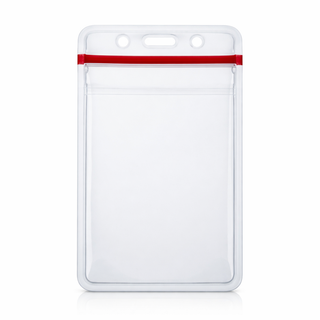
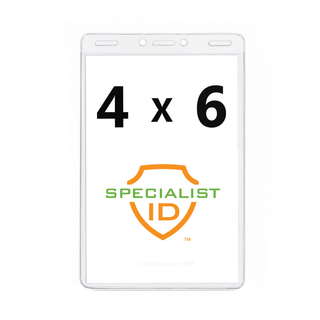
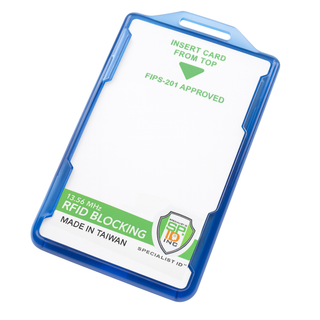
With FIPS 201-3, accessories like badge holders and RFID sleeves are no longer part of formal compliance testing. For you, this doesn’t change the reality of everyday security needs. Agencies and organizations still expect staff to:
-
Protect their PIV or CAC cards from bending, cracking, or damage.
-
Safeguard credentials against wireless skimming in sensitive environments.
-
Keep IDs visible and accessible at all times in secure facilities.
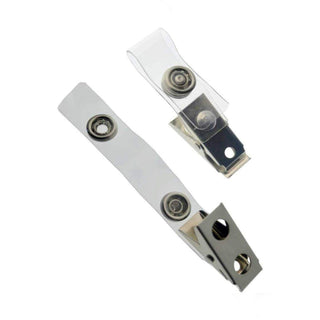
In practice, you will still rely on accessories to meet workplace requirements and maintain the security and usability of your credentials even if those items are no longer federally certified.
Conclusion
The transition to FIPS 201-3 re-aligned compliance with the credential and supporting systems and removed accessories like badge holders and RFID sleeves from the scope of certification. Despite this, these accessories are still critical tools to protect, display, and use secure government-issued ID on a daily basis.
Browse SpecialistID’s collection of PIV and CAC-compatible badge holders, RFID sleeves, lanyards, and badge reels to find reliable solutions that support secure identification programs.