














Employee Badge Lifecycle: Issue, Replace, Revoke
Share
Best Practices
Most badge problems are process problems rather than product problems. A badge has four moments in its life, and each one has a failure mode worth designing around.
1. Issue
A new hire needs a badge on day one, which is the strongest argument for keeping a printer on site. What slows issuing down is rarely printing. It is missing photos, a template nobody owns, and access levels that have not been decided.
Decide before the hire starts: who takes the photo, who approves the access level, and who prints. If a contractor or visitor needs access before any of that exists, a self expiring visitor badge covers the gap without creating a permanent credential.
2. Wear
How a badge is carried decides how often you reissue it. The failures are predictable:
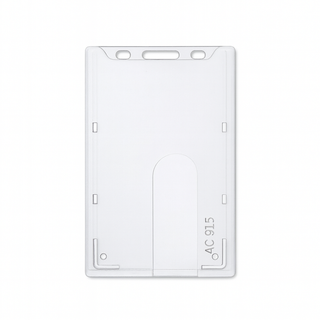
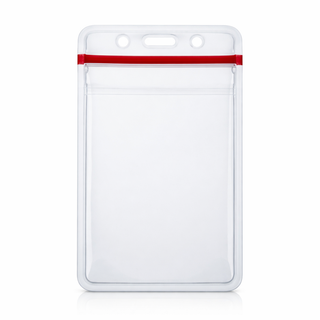
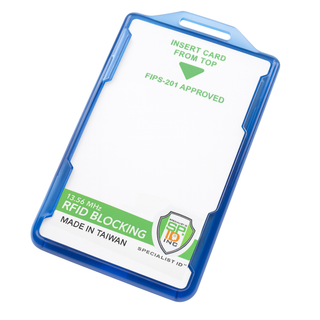
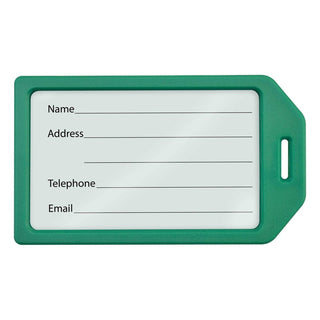
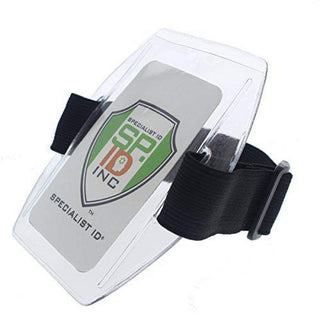
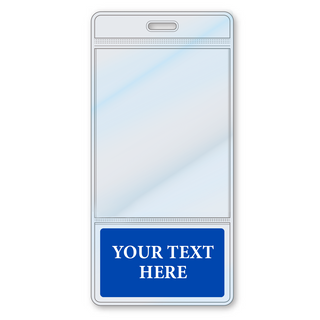
- Cards worn in a pocket scratch and delaminate. A holder costs less than a reprint.
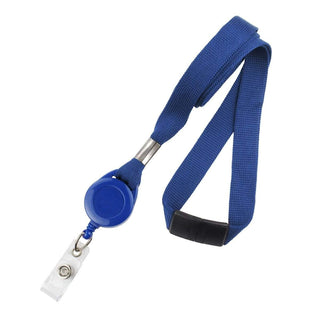
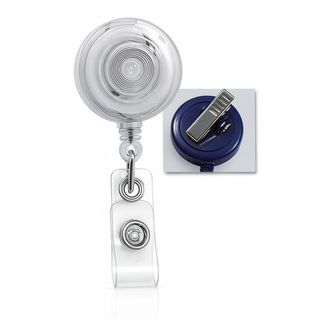
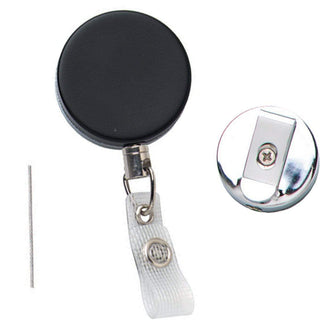
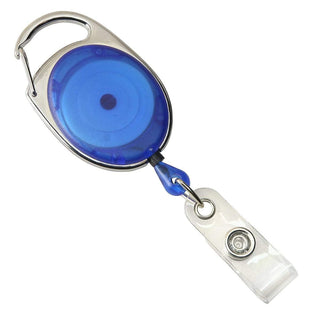
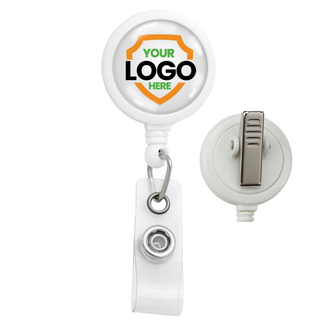
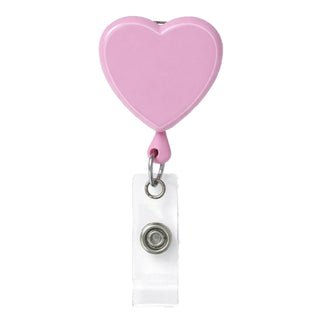
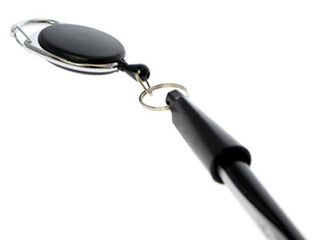
- Cards pulled to a reader all day wear at the slot. A badge reel takes that strain instead of the card.
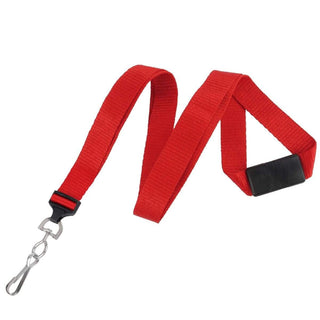
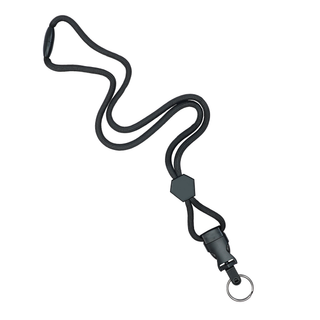
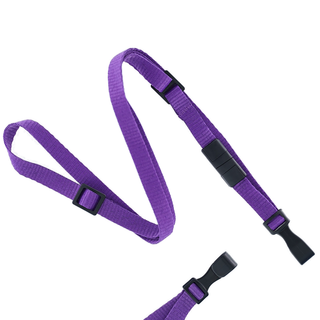
- Lanyards around machinery are a safety issue. A breakaway lanyard separates under load.
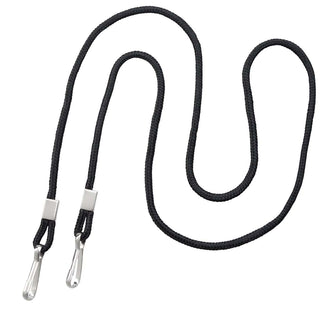
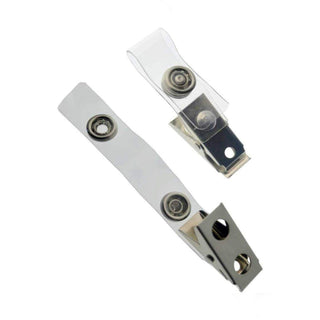
- Slot punched cards tear at the hole. A two hole strap clip spreads the load across two points.
3. Replace
Lost and damaged badges are a running cost, and the decisions are worth making once rather than case by case: how fast a replacement is issued, whether the employee pays, and whether the old credential is deactivated immediately or at the end of the day.
Worth weighing: charging for replacements recovers some cost, but it also pushes people to delay reporting a loss. A lost card that stays active overnight is an open door.
Track how many replacements you issue a month. It is the number that tells you whether your carrying accessories are wrong, and fixing that is usually cheaper than continuing to reprint.
4. Revoke
Offboarding is where badge processes usually fail, because collecting a card is nobody's specific job. Two rules cover most of it. Deactivate in the access system on the last working day whether or not the card comes back, and treat an uncollected card as a lost card rather than assuming it is in a drawer.
Deactivating removes access. Collecting the plastic is housekeeping. Doing the second without the first is the common and dangerous mistake.
Visitors and contractors
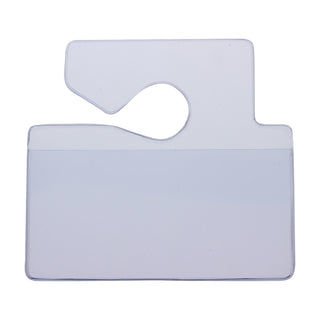
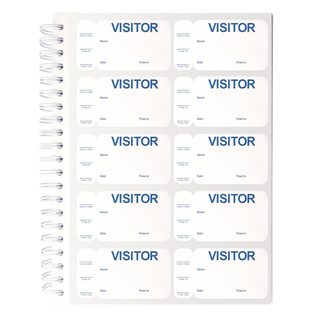
Visitors should not sit in the same system as employees. Self expiring badges change color or reveal a void mark after a set period, so an unreturned badge stops being usable on its own. Options include the thermal printable QuickTab for a printed visitor system, or handwritten adhesive badges where a printer is not practical. Reusable holders such as the TEMPbadge 08177 CARDbacker keep the per visit cost down to the insert.
For the sign in side of this, see setting up a secure sign in system.
Reissuing more badges than you should be?
Tell us how your staff carry their badges and we will suggest the holders, reels and clips that cut replacements.
Shop Badge Holders