








Customers like you also choose
Badge holders, lanyards, reels and blank cards that pair well with your HID cards.

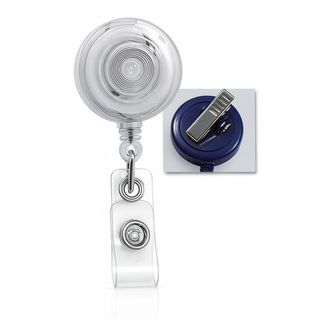
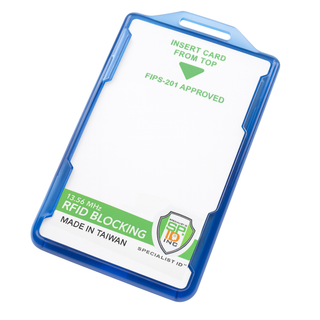
Rigid Shielded RFID Blocking 2 Card Holder Blocks 13.56 Mhz Signals (1840-5081)

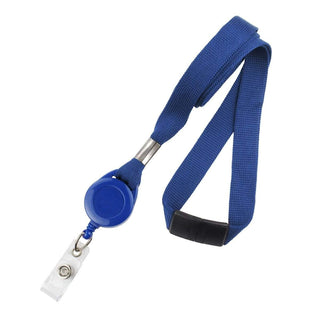
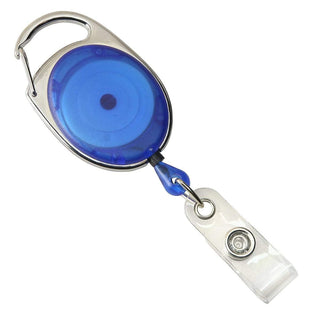
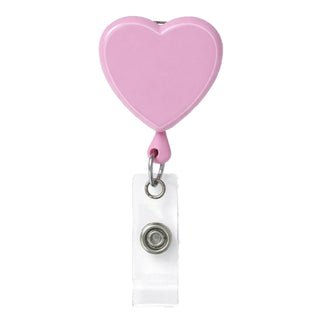
SPID Key-Bak SIDEKICK Heavy Duty Retractable Carabiner Badge Reel with ID Holder Strap & Keychain

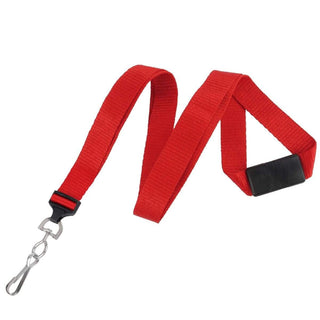
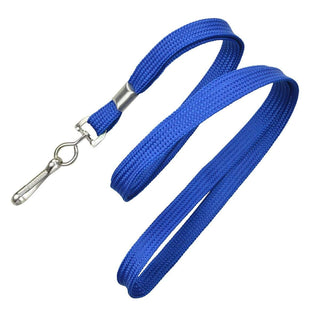
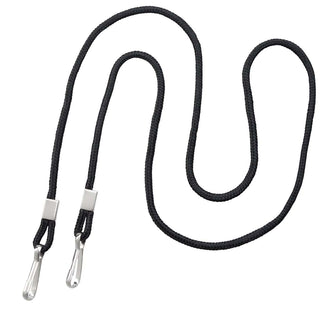
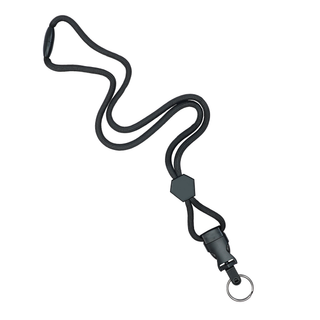
Round Heavy Duty "No-Twist" Breakaway Black Lanyard w/ Slider (P/N FF-34H-BLK)

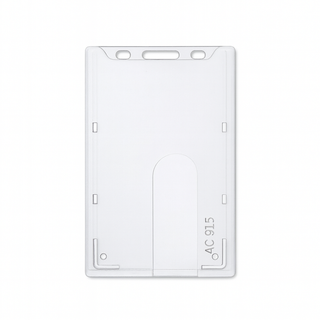
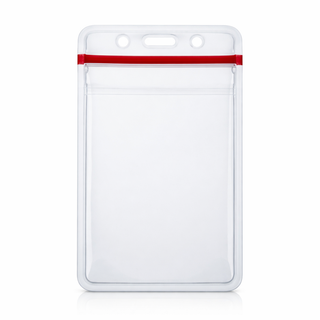
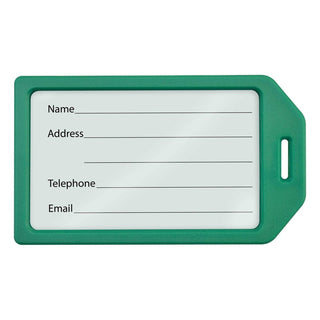
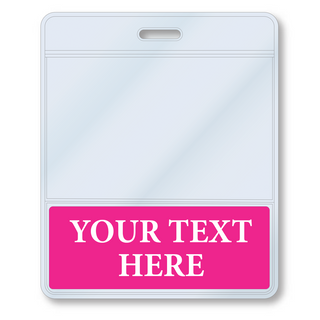
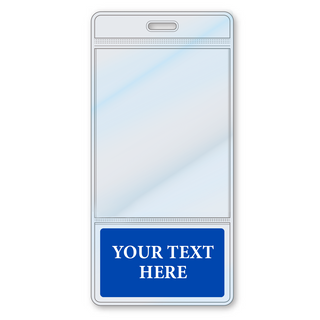
Top Load Rigid Clear Vertical Badge Holder (AC-915)

Identity Stronghold RFID Blocking Secure Badgeholder Classic - Holds 1 Card - Shields 13.56MHz Signal (IDSH1004-001B-002)
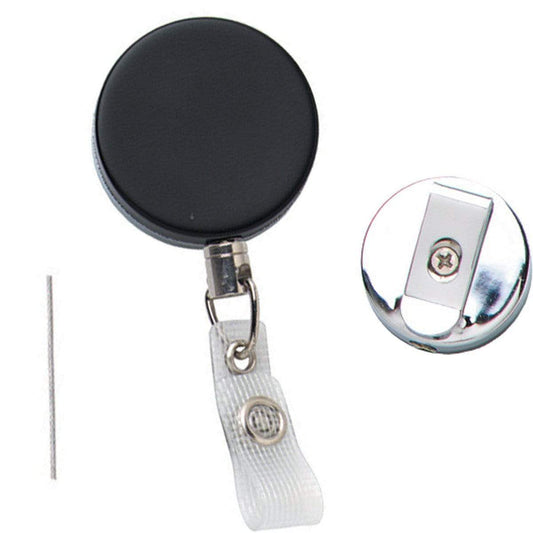
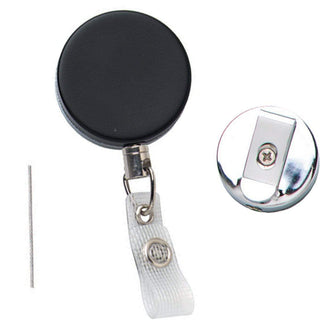
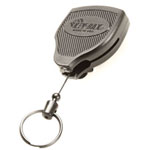
Heavy Duty Steel Cable Badge Reel with Belt Clip (2120-3305)

Hand-Held Slot Punch with Adjustable Guide (3943-1010)
Blank White PVC Cards for ID Badge Printers - CR80 30 Mil (SPID-9630) Color Options

500 Pack – Professional CR80 30 mil Composite PVC/PET Cards (Compatible with Most Printers)

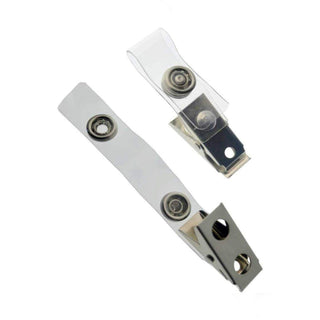
Plastic Loop Straps for Luggage Tags, Asset Labels and ID Badge Holders, 6 Inch (2410-2000)
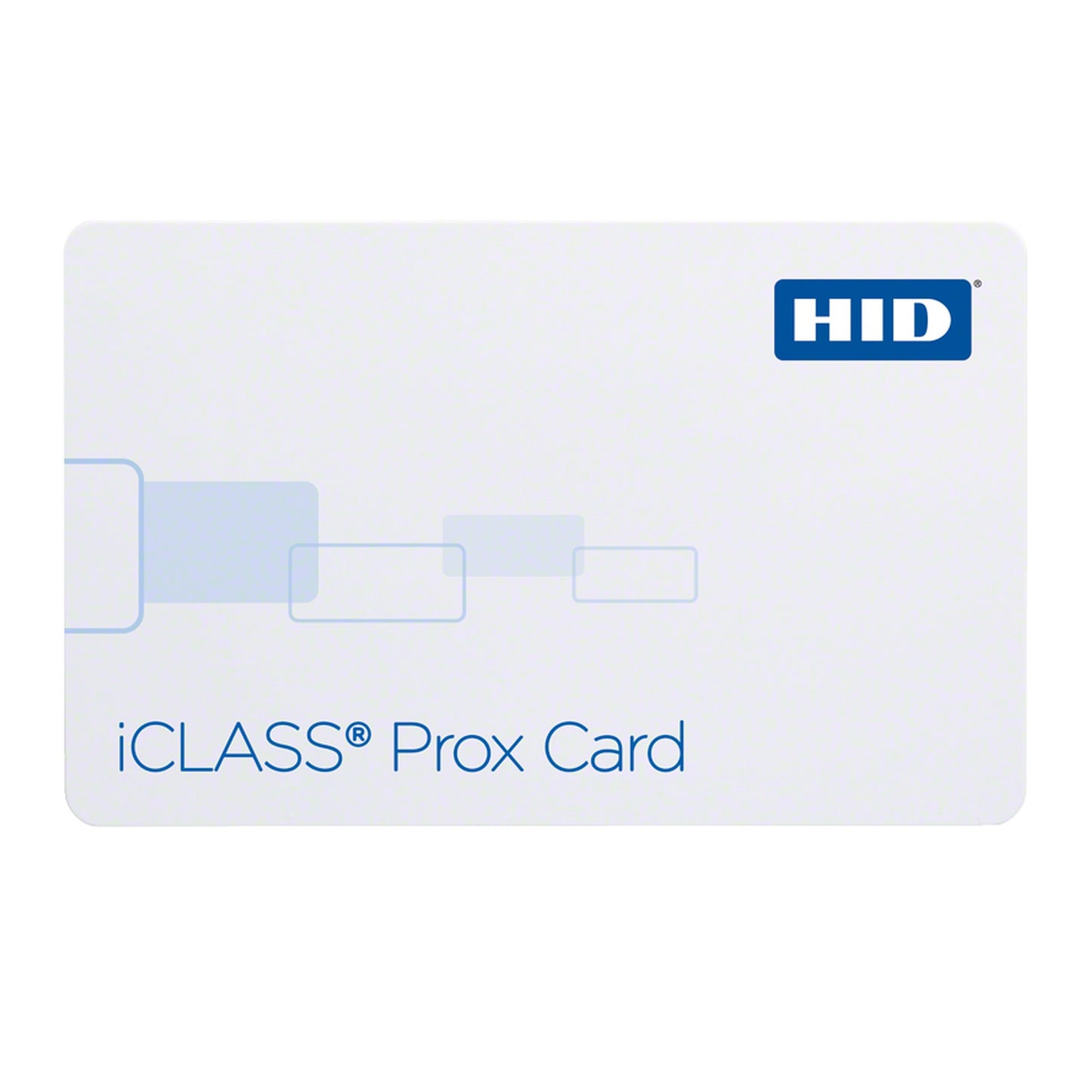
About this card
The HID iCLASS 2124 is the high-memory dual-technology card: a 13.56 MHz iCLASS chip carrying 32k bits (4K bytes), partitioned 16k/16 plus 16k/1, alongside a 125 kHz HID Prox antenna in one composite body. One badge works on both reader types, and there is room on the smart chip for more than door access.
That combination suits a particular situation: a site migrating from 125 kHz Prox that also wants the new credential to carry additional applications — cashless vending, a biometric template, logical access, a third-party system — each in its own protected application area. If you need the dual technology but only door access, the iCLASS 2120 with 2k memory does that for considerably less.
The programming option decides whether the 125 kHz side is encoded at all: some configurations programme both technologies, others leave the Prox side blank for an iCLASS SE encoder. Migrating from an existing Prox system means you want both programmed, and you will need your existing Prox format, facility code and card range as well as your iCLASS details. The configurator only asks for the 125 kHz details when the option you pick actually uses them.
Composite by construction, so it takes lamination and retransfer, or high definition (HDP), printing without warping.
Specifications
- Technologies: 13.56 MHz HID iCLASS and 125 kHz HID Prox
- iCLASS memory: 32k bits (4K bytes), application areas 16k/16 + 16k/1
- Construction: composite, 40% polyester / PVC, direct-print surface
- Dimensions: 3.370 in x 2.125 in x 0.033 in (8.57 cm x 5.4 cm x 0.084 cm)
- Base part number: 2124 (example configured: 2124BGGMNN)
- Lower memory: iCLASS 2120, the same card with 2k bits
Documents & Resources
What we’ll need to match your cards
Placing a repeat order or reaching out to our team? Everything we need is printed on the end panel of your HID box. Grab these four and we’ll match your replacement cards exactly — same reader, same doors, same numbering.
Don’t have the box handy? Send us your card range or a sample card and we’ll help you match it.