




Customers like you also choose
Badge holders, lanyards, reels and blank cards that pair well with your HID cards.

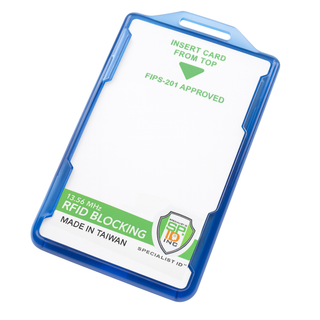
Rigid Shielded RFID Blocking 2 Card Holder Blocks 13.56 Mhz Signals (1840-5081)

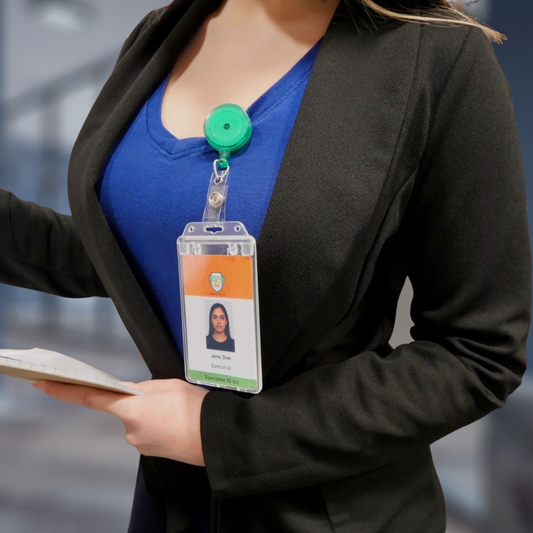
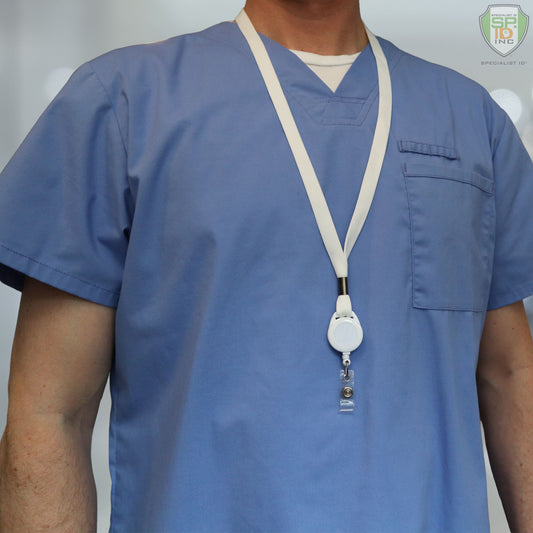
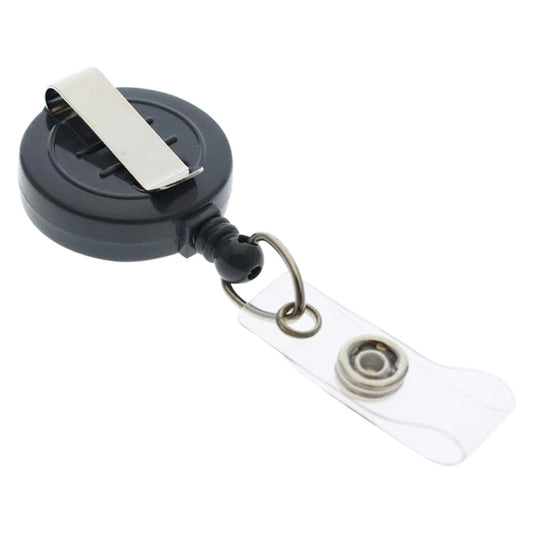
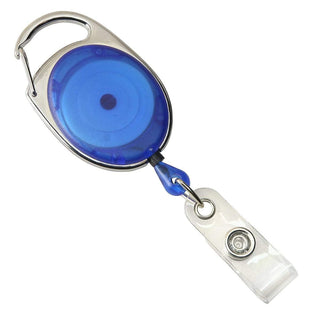
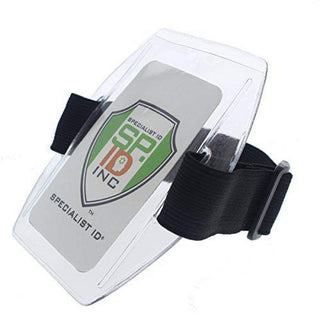
SPID Key-Bak SIDEKICK Heavy Duty Retractable Carabiner Badge Reel with ID Holder Strap & Keychain

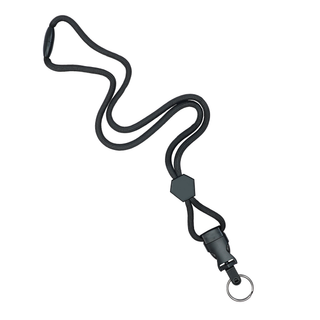
Round Heavy Duty "No-Twist" Breakaway Black Lanyard w/ Slider (P/N FF-34H-BLK)

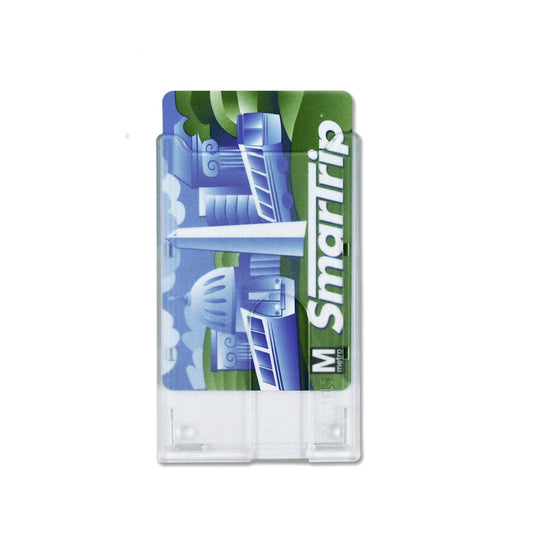
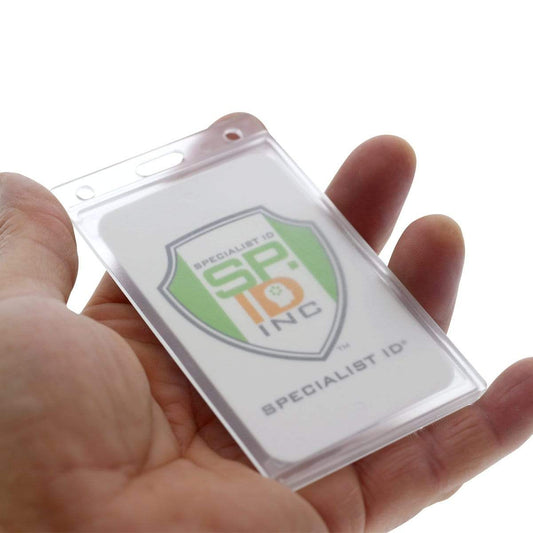
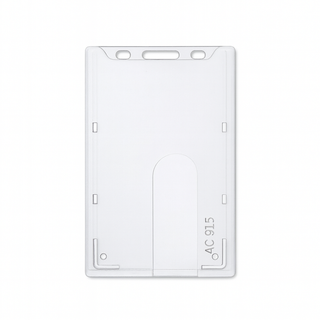
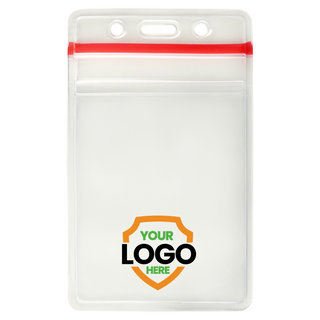
Top Load Rigid Clear Vertical Badge Holder (AC-915)

Identity Stronghold RFID Blocking Secure Badgeholder Classic - Holds 1 Card - Shields 13.56MHz Signal (IDSH1004-001B-002)
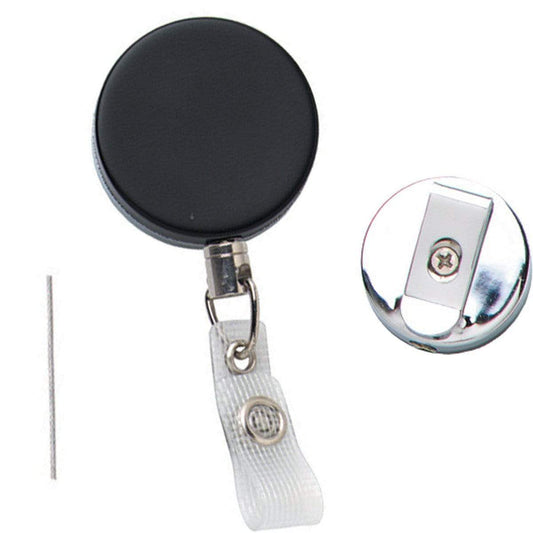
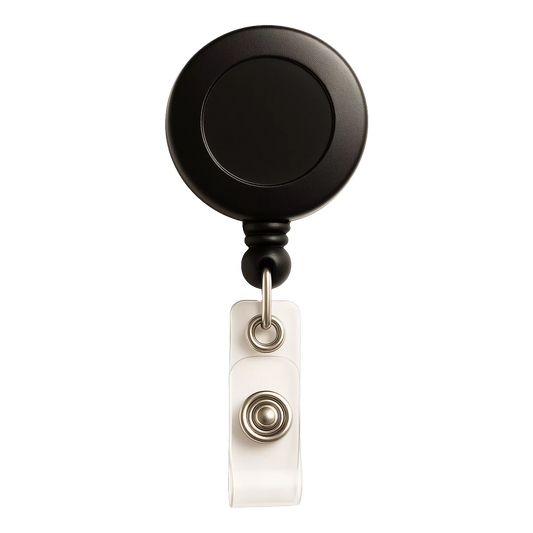
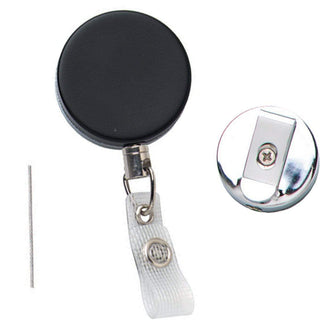
Heavy Duty Steel Cable Badge Reel with Belt Clip (2120-3305)

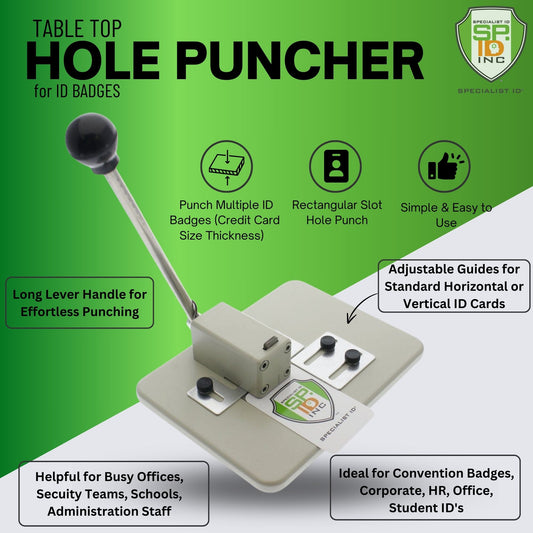
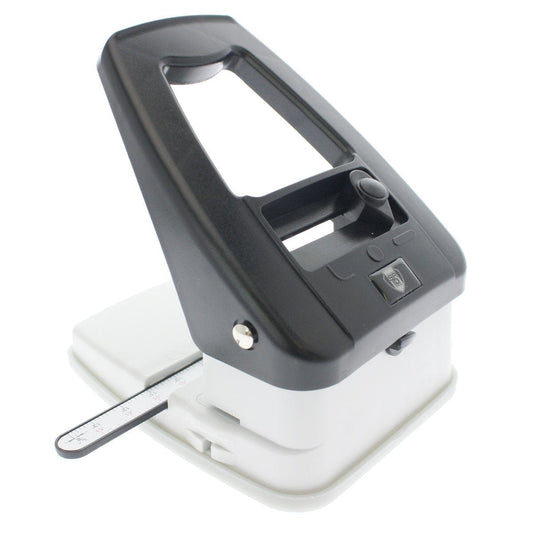
Hand-Held Slot Punch with Adjustable Guide (3943-1010)
Blank White PVC Cards for ID Badge Printers - CR80 30 Mil (SPID-9630) Color Options

500 Pack – Professional CR80 30 mil Composite PVC/PET Cards (Compatible with Most Printers)

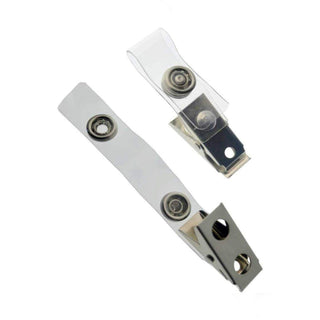
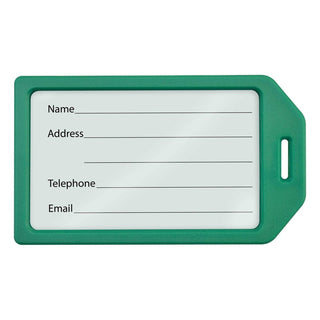
Plastic Loop Straps for Luggage Tags, Asset Labels and ID Badge Holders, 6 Inch (2410-2000)
About this card
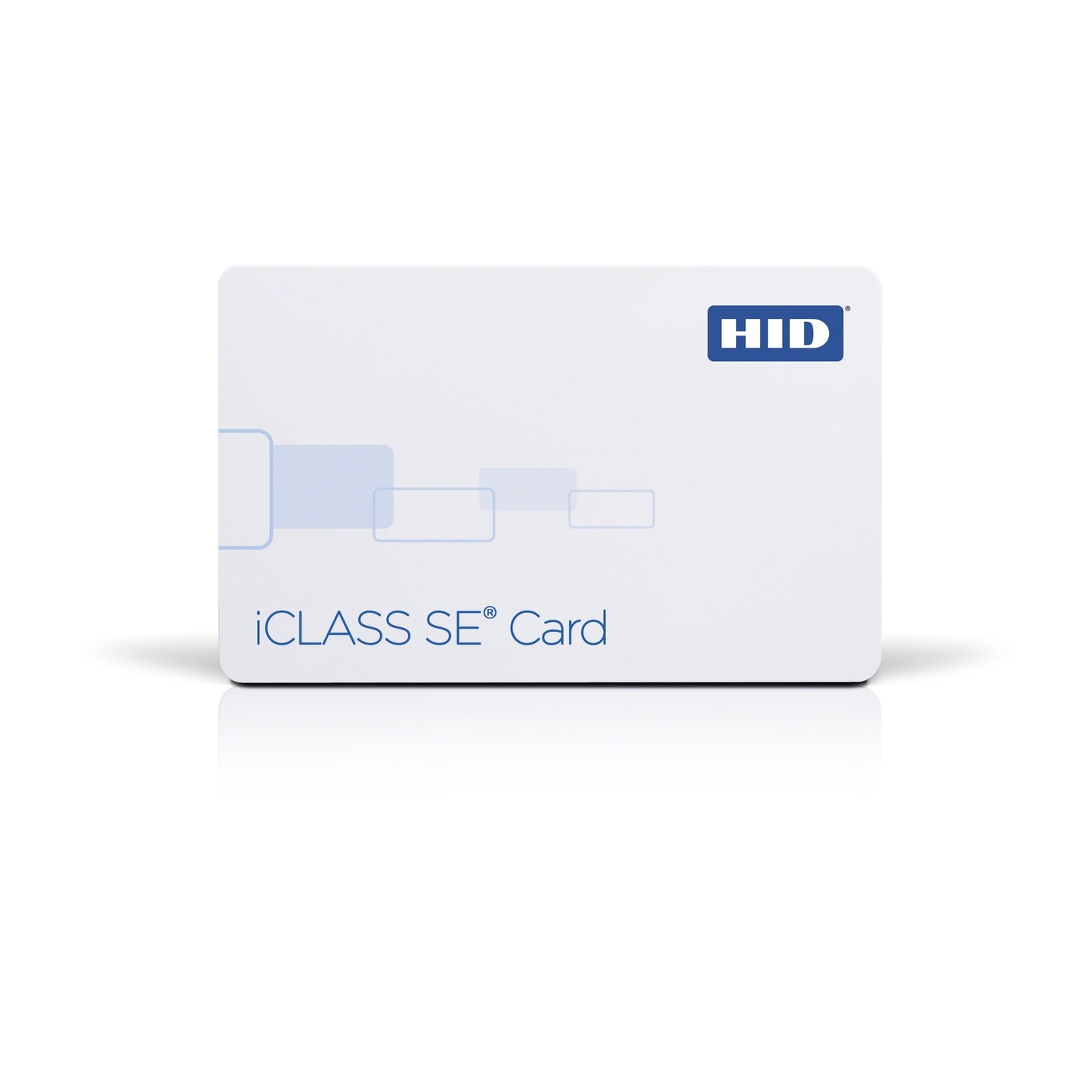
The HID iCLASS SE 3054 is the top of the iCLASS SE card range: the largest memory on the toughest body. It carries 32k bits (4k bytes) of read/write memory — 16k bits divided across sixteen securely separated application areas, plus a further 16k bits you configure yourself — on a PVC/PET composite card built to survive a hot printer.
Two decisions lead here. The memory is the first: sixteen application areas let one card carry access control alongside biometric templates, cashless vending, time and attendance and PC logon, each behind its own 64-bit diversified key, so one system cannot read another's data. If the card only opens doors, the 2k iCLASS SE 3050 is the same body for less.
The body is the second. Composite is what you need if you print on a retransfer (high definition) printer or a laminating printer — both bond the image with heat, and a straight PVC card warps under it. If you print direct-to-card on a standard dye-sublimation printer, the PVC iCLASS SE 3004 carries the same 32k chip for less.
All of it is programmed with a Secure Identity Object (SIO), which wraps the credential number in its own layer of encryption and authentication so the card is bound to the platform rather than to a single reader technology. SE cards work on iCLASS SE and HID Signo readers, and are not available with the legacy iCLASS access control application — for that, the iCLASS 2104 is the 32k composite that spans both.
To order programmed cards, give us three things: your card format, your facility or site code, and the starting card number. They are printed on the box your current cards came in, or on your original HID paperwork. We encode every card in the run in sequence from your start number.
Specifications
- Technology: 13.56 MHz HID iCLASS SE contactless smart card
- Memory: 32k bits (4k bytes) — 16k bits across 16 application areas, plus 16k bits user configurable
- Programming: Secure Identity Object (SIO), or unprogrammed for an iCLASS SE encoder — legacy iCLASS programming is not available on SE cards
- Construction: PVC/PET composite, rated for retransfer and laminating printers
- Dimensions: 3.375 in x 2.127 in x 0.033 in max (8.57 cm x 5.40 cm x 0.084 cm)
- Operating temperature: -40 to 158 °F (-40 to 70 °C)
- Base part number: 3054 (example configured: 3054PGGMN)
Documents & Resources
What we’ll need to match your cards
Placing a repeat order or reaching out to our team? Everything we need is printed on the end panel of your HID box. Grab these four and we’ll match your replacement cards exactly — same reader, same doors, same numbering.
Don’t have the box handy? Send us your card range or a sample card and we’ll help you match it.